About Me
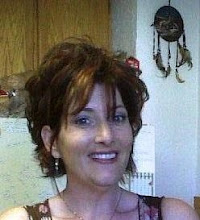
- Mariam Zinn @ PATHS
- Who is Mariam Zinn? Mariam Has been working with Seniors scene 1986, started as a nursing assistant in a convalescent center as a high school student, from there Mariam Has had the opportunity to expand her education and training thru UW Nursing continuing education, Everett Community College: Medical Assistant and E.M.T. courses and Washington State DSHS curriculum. Currently she’s a direct care provider, she owns P.A.T.H.S. Adult Family Home & Respite and is a licensed and Registered Residential care provider, is a MA, NAC, Certified in Geriatrics, Residential administration, Dementia & Diabetes, she is a former register counselor and Emergence medical technique, has volunteered at the American Red Cross, has clinical experience in family practice, infectious disease and Geriatrics.
Monday, July 28, 2014
"If you want to be genuinely kind
"If you want to be genuinely kind, you have to be of actual benefit---no one wants to be the recipient of 'help' that isn't really helpful---and you have to provide that benefit in a way that shows respect and empathy for the other person's needs." ---Thanissaro Bhikkhu


Tuesday, February 5, 2013
Don't be RUDE- we are on the same team
There is no excuse to be RUDE.
we are on the same team.
after a family called for placement of their loved one, I met with them in hospital. I made sure we could meet the needs of their loved one so I proceeded to contact Discharge Planner.
I was shocked at the way I was received. She brushed by me A fellow professional and went to family, stated they would use a placement referral agency to ensure proper matching. I saw the looks on the families face they were puzzled. This planner explained further this will ensure a proper match of needs.
A Family Member spoke up; we choose this place (meaning our AFH) It was recommended to us by a close friend who had their mother there for years, and our family doctor likes the place as well.
The family insisted that planner share records.
All I could think was what the heck was up with this? have I offend this person in some way? I have never meet her before.
So I asked, Have I offended you in some way? She was very rude, she stated, I don't usually work with "VENDERS" Directly. we sue placement agencies and she named three I am familiar with.
I explained to her I understand that is more comfortable to you; however do you realize that they will in-turn contact me directly not knowing if we can or can not truly care for this persons needs. they may be very well meaning but all they know about us is if we have a license, if there is disciplinary actions and if a home is willing to pay a fee to them for placement. this fee is 100% for care cost for a month.
The basis of lowest expectation seemed to apply here. after we spoke for a few minutes about the system I realized this person who makes decisions simply had BAD INFORMATION. She was so ruffled due to the fact she had preconceived ideas of AFH'S vs SNF and further more that the people such as my self were bottom feeders looking for scraps. I asked to look us up on the internet www.paths-afh.com
By the end of our conversation I think we both felt more comfortable. She was able to look past what she had thought and perhaps I hope she will take the information I have given her and apply it forward.
She was simply defensive about what she had heard about our industry, she shared with me that she had thought that the placement system was safer through an agency.
To me this was a good day, We are on the same team I explained more than once, I was able to educate someone about what we can offer, perhaps she will share that with others.
http://pathsmariamzinn.blogspot.com/2011/04/knowledge-gap-for-families.html
we are on the same team.
after a family called for placement of their loved one, I met with them in hospital. I made sure we could meet the needs of their loved one so I proceeded to contact Discharge Planner.
I was shocked at the way I was received. She brushed by me A fellow professional and went to family, stated they would use a placement referral agency to ensure proper matching. I saw the looks on the families face they were puzzled. This planner explained further this will ensure a proper match of needs.
A Family Member spoke up; we choose this place (meaning our AFH) It was recommended to us by a close friend who had their mother there for years, and our family doctor likes the place as well.
The family insisted that planner share records.
All I could think was what the heck was up with this? have I offend this person in some way? I have never meet her before.
So I asked, Have I offended you in some way? She was very rude, she stated, I don't usually work with "VENDERS" Directly. we sue placement agencies and she named three I am familiar with.
I explained to her I understand that is more comfortable to you; however do you realize that they will in-turn contact me directly not knowing if we can or can not truly care for this persons needs. they may be very well meaning but all they know about us is if we have a license, if there is disciplinary actions and if a home is willing to pay a fee to them for placement. this fee is 100% for care cost for a month.
The basis of lowest expectation seemed to apply here. after we spoke for a few minutes about the system I realized this person who makes decisions simply had BAD INFORMATION. She was so ruffled due to the fact she had preconceived ideas of AFH'S vs SNF and further more that the people such as my self were bottom feeders looking for scraps. I asked to look us up on the internet www.paths-afh.com
By the end of our conversation I think we both felt more comfortable. She was able to look past what she had thought and perhaps I hope she will take the information I have given her and apply it forward.
She was simply defensive about what she had heard about our industry, she shared with me that she had thought that the placement system was safer through an agency.
To me this was a good day, We are on the same team I explained more than once, I was able to educate someone about what we can offer, perhaps she will share that with others.
http://pathsmariamzinn.blogspot.com/2011/04/knowledge-gap-for-families.html
Wednesday, May 11, 2011
About Our Staff
- Who is Mariam Zinn?
- Mariam Has been working with Seniors scene 1986, started as a nursing assistant in a convalescent center as a high school student, from there Mariam Has had the opportunity to expand her education and training thru UW Nursing continuing education, Everett Community College: Medical Assistant and E.M.T. courses and Washington State DSHS curriculum. Currently she’s a direct care provider, she owns P.A.T.H.S. Adult Family Home & Respite and is a licensed and Registered Residential care provider, is a MA, NAC, Certified in Geriatrics, Residential administration, Dementia & Diabetes, she is a former register counselor and Emergence medical technique, has volunteered at the American Red Cross, has clinical experience in family practice, infectious disease and Geriatrics.

This is very important. this is one of the major differences that makes Adult Family homes satiable for long term care.
Here is Washington state the minimum requirement for "caregiver" in an adult Family home is two Negative TB tests, Background check with Washington state patrol, and Justice courts and protective services (DSHS) Individual must be a Registered Nursing assistant and have HIV (blood born pathogens training) the fundamentals of care giving. this is the rock bottom least amount of training at hire.
After hire there is requirements of Medication Delegation (to be administering or assisting,) Diabetes Delegation, (certification obtained by DSHS regulated educating RN, in addition teaching points and supervision by RN Nurse decelerator for each Medication and it only pertains to One Resident at a time. Specialty Training to work with specific groups such as Dementia, Developmental Disabilities and Mental Health.
there is to be a minimum of 12 hours continuing education annually. Most homes like mine also train on End of life, palliative care and hospice. I hire OBRA Certified Nursing Assistants or send them to school shortly after hire with in 30 days. this training to more clinical based, and in my opinion it drives home the idea of respect, privacy, patients rights, dignity and to observe and report.
Here is Washington state the minimum requirement for "caregiver" in an adult Family home is two Negative TB tests, Background check with Washington state patrol, and Justice courts and protective services (DSHS) Individual must be a Registered Nursing assistant and have HIV (blood born pathogens training) the fundamentals of care giving. this is the rock bottom least amount of training at hire.
After hire there is requirements of Medication Delegation (to be administering or assisting,) Diabetes Delegation, (certification obtained by DSHS regulated educating RN, in addition teaching points and supervision by RN Nurse decelerator for each Medication and it only pertains to One Resident at a time. Specialty Training to work with specific groups such as Dementia, Developmental Disabilities and Mental Health.
there is to be a minimum of 12 hours continuing education annually. Most homes like mine also train on End of life, palliative care and hospice. I hire OBRA Certified Nursing Assistants or send them to school shortly after hire with in 30 days. this training to more clinical based, and in my opinion it drives home the idea of respect, privacy, patients rights, dignity and to observe and report.
we are an alternative to Skilled nursing. there is a wide range of services that can be and are RN Delegated. We are License to care for 6 adults or less. As long as our providers skill level is there and of course we do not work outside of our scope of practice. That is why some homes can do IV infusion, wound therapy, wound care etc.. no not just companionship. For our home we employee two RN’s and work with Home Health agencies both public and private. This is to ensure our clients have the highest level of care. We also have clergy and pharmacists at our finger tips.Adult Family Home structure is not Room / Board and Companion service, Nor are we a Bed and Breakfast
 Our clients’ needs are addressed much better, seamlessly and faster due to our small population; allowing for true one on one care, unlike larger facilities.
 Here loved ones are allowed to age in place. When appropriate we call in Hospice and we manage End of Life under the direction of Hospice Physicians. As for Medication. Again with in Washington State, Medication management and Delegation is a routine. I am not sure what your state laws are but in my state, individuals are allowed to make their choices, it is up to the home or facility to decide if they want to hire in other nurses or discharge client. I myself have been participating with Hospice for over 15 years on and off as duty calls. My residence are allowed the comfort and dignity of dying at home. I cannot imagine caring for someone and when they have need of services to discharge them into unfamiliar territory.
We involve all the appropriate persons including family at bedside, have superior symptom management and are able to be personable and professional. This is not simply Companion services. Should you want more information or education RE: Adult family home in Washington State I would be happy to share the Washington State Administration codes and direct you to DSHS aging and disability offices.
Again I would like to point out that Nurses, Aides, Certified Nursing Assistants, E.M.T. and therapist we employ never work outside of our scope of practice and as for our insurance rates well they are certainly NOT small due to the nature of what we do and the amount of Liability we must carry if we choose to step up for clients and do what’s necessary, hire who is needed and care for residence like our own parents.
Our Commitment and continuation of care

Families always have direct access to Administrator/ Resident Manager; Mariam is here to discuss their loved ones needs, any concerns to be addressed. She also is the contact person for physicians, and other professionals to be coordinated. Mariam is also a patient's advocate, she provides transportation and accompanies client to doctors visits. Here she is able to be a liaison for client and family and is able to coordinated professional services when the need arrives.
Mariam lives on site to ensure continuity of care, She is the administrator and a direct care provider; has a relationship as primary caregiver with each and every resident.
Our caregivers are not new to the health care field, we hire professionals, who have an extensive background in long-term care, Home health and clinical settings. Our job is to observe and report to physician. this allows Physician to make changes in care plan , write orders for Medication changes and us to modify goals when necessary.
Our caregivers work 24 hour shifts as part-time live-in caregivers, we believe in work / life balance for staff to promote happy caregivers, quality of life and emotional well-being are transparent in caring for others, If caregiver is unhappy, so are clients. Shifts are usually 3 on 4 off. this allows residence to feel more comfortable in their own home, getting ride of shift works helps residence feel comfortable and familiar with staff on an more intimate level of care, this established familiarity and trust.
Familiarity and trust works both ways, this also allows staff to closely observe even the slightest changes in residence needs, abilities and Base line; Here needs do not get over looked nor do we wait for the next shift.
families also prefer this schedule of always knowing who maybe on shift.
Our RN Derogator is always available to our staff to answer any questions and help educate staff on procedures and medication administration
Our On- Call RN has more than 30 years Clinical experience
We have access to Pharmacists, clergy and Home Health both public and private to care for your loved ones needs.
Other available Professional services we contract with or your loved one has access to are On-site: Home health, RN's, Physical Therapist, Speech Therapists, Occupational Therapists, Mental Health & Behavioral therapists, Geri-psychologists, Dentist, Beautician, Massage therapist, Nurse Practitioner and pet therapist, musicians and clergy.
we have you covered, again we coordinate care through physician, get orders and work as a liaison for loved ones. We consult with family and assist with a plan of action. Loved ones are taken to physician and appointments until it is appropriate for on-site services we advocate for resident and work as a family liaison to get these things accomplished.
Monday, May 2, 2011
Smart Ways Home Base can be "Home Safe" for Seniors
Smart Ways Home Base can be "Home Safe" for Seniors
I know the health and safety for our seniors at home is a BIG concern. Many times I have seen simple steps that should have been taken that could have prevented a fall or other unfortunate accident at home.
Mary Ellen Tomlinson specializes in advising families, trust officers, lawyers and accountants on care for seniors and wrote the article available in the link below "Home Base can be Home Safe" that is full of helpful information!
What are some other tips and suggestions you would recommend to other caregivers and those with senior parents at home? Looking forward to your Comments.
Mary Ellen Tomlinson specializes in advising families, trust officers, lawyers and accountants on care for seniors and wrote the article available in the link below "Home Base can be Home Safe" that is full of helpful information!
What are some other tips and suggestions you would recommend to other caregivers and those with senior parents at home? Looking forward to your Comments.
Sunday, May 1, 2011
Mariam Zinn @ PATHS: What is the difference of Long term care workers? ...
Mariam Zinn @ PATHS: What is the difference of Long term care workers? ...: "This is very important. this is one of the major differences that makes Adult Family homes satiable for long term care. Let me ad this. ..."
What is the difference of Long term care workers? Campanionship +
This is very important. this is one of the major differences that makes Adult Family homes satiable for long term care. Let me ad this.
Here is Washington state the minimum requirement for "caregiver" in an adult Family home is two Negative TB tests, Background check with Washington state patrol, and Justice courts and protective services (dshs) Individual must be a Registered Nursing assistant and have HIV (blood born pathogens training) the fundamentals of care giving. this is the rock bottom least amount of training at hire.
After hire there is requirements of Medication Delegation (to be administering or assisting,) Diabetes Delegation, (certification obtained by DSHS regulated educating RN, in addition teaching points and supervision by RN Nurse decelerator for each Medication and it only pertains to One Resident at a time. Specialty Training to work with specific groups such as Dementia, Developmental Disabilities and Mental Health.
there is to be a minimum of 12 hours continuing education annually. Most homes like mine also train on End of life, palliative care and hospice. I hire OBRA Certified Nursing Assistants or send them to school shortly after hire with in 30 days. this training to more clinical based, and in my opinion it drives home the idea of respect, privacy, patients rights, dignity and to observe and report.
Please also Note that:
. For myself I take this issue seriously due to lack of public awareness of what is offered at Adult family homes. Companion service is not what an Adult Family Home structure is. Perhaps it is simply room & board in your state. Under Washington, we are an alternative to Skilled nursing. there is a wide range of services that can be and are RN Delegated. We are License to care for 6 adults or less. As long as our providers skill level is there and of course we do not work outside of our scope of practice. That is why some homes can do IV infusion, wound therapy, wound care etc.. no not just companionship. For our home we employee two RN’s and work with Home Health agencies both public and private. This is to ensure our clients have the highest level of care. We also have clergy and pharmacists at our finger tips.
Our clients’ needs are addressed much better, seamlessly and faster due to our small population; allowing for true one on one care, unlike larger facilities.
When appropriate I call in Hospice and we manage End of Life under the direction of Hospice Physicians. As for Medication. Again with in Washington State, Medication management and Delegation is a routine. I am not sure what your state laws are but in my state, individuals are allowed to make their choices, it is up to the home or facility to decide if they want to hire in other nurses or discharge client. I myself have been participating with Hospice for over 15 years on and off as duty calls. My residence are allowed the comfort and dignity of dying at home. I cannot imagine caring for someone and when they have need of services to discharge them into unfamiliar territory.
We involve all the appropriate persons including family at bedside, have superior symptom management and are able to be personable and professional. This is not simply Companion services. Should you want more information or education RE: Adult family home in Washington State I would be happy to share the Washington State Administration codes and direct you to DSHS aging and disability offices.
Again I would like to point out that Nurses, Aides, Certified Nursing Assistants, E.M.T. and therapist we employ never work outside of our scope of practice and as for our insurance rates well they are certainly NOT small due to the nature of what we do and the amount of Liability we must carry if we choose to step up for clients and do what’s necessary, hire who is needed and care for residence like our own parents.
Here is Washington state the minimum requirement for "caregiver" in an adult Family home is two Negative TB tests, Background check with Washington state patrol, and Justice courts and protective services (dshs) Individual must be a Registered Nursing assistant and have HIV (blood born pathogens training) the fundamentals of care giving. this is the rock bottom least amount of training at hire.
After hire there is requirements of Medication Delegation (to be administering or assisting,) Diabetes Delegation, (certification obtained by DSHS regulated educating RN, in addition teaching points and supervision by RN Nurse decelerator for each Medication and it only pertains to One Resident at a time. Specialty Training to work with specific groups such as Dementia, Developmental Disabilities and Mental Health.
there is to be a minimum of 12 hours continuing education annually. Most homes like mine also train on End of life, palliative care and hospice. I hire OBRA Certified Nursing Assistants or send them to school shortly after hire with in 30 days. this training to more clinical based, and in my opinion it drives home the idea of respect, privacy, patients rights, dignity and to observe and report.
Please also Note that:
. For myself I take this issue seriously due to lack of public awareness of what is offered at Adult family homes. Companion service is not what an Adult Family Home structure is. Perhaps it is simply room & board in your state. Under Washington, we are an alternative to Skilled nursing. there is a wide range of services that can be and are RN Delegated. We are License to care for 6 adults or less. As long as our providers skill level is there and of course we do not work outside of our scope of practice. That is why some homes can do IV infusion, wound therapy, wound care etc.. no not just companionship. For our home we employee two RN’s and work with Home Health agencies both public and private. This is to ensure our clients have the highest level of care. We also have clergy and pharmacists at our finger tips.
Our clients’ needs are addressed much better, seamlessly and faster due to our small population; allowing for true one on one care, unlike larger facilities.
When appropriate I call in Hospice and we manage End of Life under the direction of Hospice Physicians. As for Medication. Again with in Washington State, Medication management and Delegation is a routine. I am not sure what your state laws are but in my state, individuals are allowed to make their choices, it is up to the home or facility to decide if they want to hire in other nurses or discharge client. I myself have been participating with Hospice for over 15 years on and off as duty calls. My residence are allowed the comfort and dignity of dying at home. I cannot imagine caring for someone and when they have need of services to discharge them into unfamiliar territory.
We involve all the appropriate persons including family at bedside, have superior symptom management and are able to be personable and professional. This is not simply Companion services. Should you want more information or education RE: Adult family home in Washington State I would be happy to share the Washington State Administration codes and direct you to DSHS aging and disability offices.
Again I would like to point out that Nurses, Aides, Certified Nursing Assistants, E.M.T. and therapist we employ never work outside of our scope of practice and as for our insurance rates well they are certainly NOT small due to the nature of what we do and the amount of Liability we must carry if we choose to step up for clients and do what’s necessary, hire who is needed and care for residence like our own parents.
Friday, April 29, 2011
Assisted Living Discharge to Nursing Home Vs Adult Family Home?
As a long-term care consultant for seniors and their families, I have visited many different types of facilities. But my favorite type of facility to visit is adult family homes.
a recent conversation with a fellow health care provider made me realize there is truly a need to educate other health care professionals about what a Adult Family Home is, what is within the scope of practice or individual providers and other agencies.
. For myself I take this issue seriously due to lack of public awareness of what is offered at Adult family homes. Companion service is not what an Adult Family Home structure is. Perhaps it is simply room & board in your state. Under Washington, we are an alternative to Skilled nursing. there is a wide range of services that can be and are RN Delegated. We are License to care for 6 adults or less. As long as our providers skill level is there and of course we do not work outside of our scope of practice. That is why some homes can do IV infusion, wound therapy, wound care etc.. no not just companionship. For our home we employee two RN’s and work with Home Health agencies both public and private. This is to ensure our clients have the highest level of care. We also have clergy and pharmacists at our finger tips.
Our clients’ needs are addressed much better, seamlessly and faster due to our small population; allowing for true one on one care, unlike larger facilities.
When appropriate I call in Hospice and we manage End of Life under the direction of Hospice Physicians. As for Medication. Again with in Washington State, Medication management and Delegation is a routine. I am not sure what your state laws are but in my state, individuals are allowed to make their choices, it is up to the home or facility to decide if they want to hire in other nurses or discharge client. I myself have been participating with Hospice for over 15 years on and off as duty calls. My residence are allowed the comfort and dignity of dying at home. I cannot imagine caring for someone and when they have need of services to discharge them into unfamiliar territory.
We involve all the appropriate persons including family at bedside, have superior symptom management and are able to be personable and professional. This is not simply Companion services. Should you want more information or education RE: Adult family home in Washington State I would be happy to share the Washington State Administration codes and direct you to DSHS aging and disability offices.
Again I would like to point out that Nurses, Aides, Certified Nursing Assistants, E.M.T. and therapist we employ never work outside of our scope of practice and as for our insurance rates well they are certainly NOT small due to the nature of what we do and the amount of Liability we must carry if we choose to step up for clients and do what’s necessary, hire who is needed and care for residence like our own parents; which means to do the right thing and care for them until the end in our home. I applaud other homes that go to this length to care for venerable adults and stand by individuals and families that make the choice that this is the right choice for them. passionate
this being said; there is a wide variety of services and care levels at different homes, do your homework, check residence, get input past and current families. there is always a Pinto & a Cadillac. hard to generalize that they are both cars
There are over 2,200 adult family homes in Washington State
Adult family homes have many things in common, but they are each unique in their individual decor and house size. Some are ultra fancy, some are tailored for country type folk, while some are modern and are bursting with color.
Each provider, like the differences you find in the decor of the homes, is individual in their personalities. Some are laid back, others are very vivacious; you will find that some are calm, quiet houses, while others are teeming with activity.
When you enter an adult family home, the first thing you will notice is that the adult family home smells wonderful. They take pride in making delicious homemade meals. Oftentimes, when you come into the homes, you’ll be greeted by the aroma of fresh baked bread, rolls, or muffins, not to mention the varieties of home made soups, baked chicken, roasts or casseroles, whose fragrance fill the air.
Adult family homes do not have overwhelming chemical smells like nursing homes. They have a smaller ratio of clients to serve, and clients are cared for in a much timelier manner, reducing odors.
The caregiver ratio is much smaller than in traditional institutional settings. (The caregiver to client ratio is 1:5 or 1:6.) This gives the caregiver and the client much more individualized time together. Careful personalized attention can be given to the individual senior living in this care setting. Bathing, dressing, putting on lotion and powders, not to mention the warmed up bathroom and the occasional dryer warmed towels for the client are all done in a manner that preserve the seniors' dignity. Oftentimes, I hear caregivers laughing with their residents while giving them a shower, and I have even heard some singing.
Many seniors bring their furniture from home, pictures from their living room walls, bedspreads, photo albums, and their own beds even. Having a piece of home with them helps them to feel more at home. I have been in several adult family homes that even paint the rooms the residents’ favorite color. Of course the amount of furniture you can bring depends on the size of the room.
Seniors don't have to share rooms in adult family homes. But if they choose to do so, adult family home providers are careful to ensure that there is a good match with the roommate. If you prefer your own private bathroom, some adult family homes offer those too.
Activities in the home are individualized to meet each senior’s preferences. Some seniors enjoy more activities and are encouraged to visit the senior centers, go on outings, attend church, or other social clubs, do light cooking and gardening. While other seniors enjoy a good book, watching TV, visiting with the caregivers (there is actually a lot of time for this), or just watching the birds through the kitchen window.
Caregivers have a chance to get to know each client’s individual tastes. If a client doesn't particularly like roast beef, accommodations will be made. You don't find nursing homes that will change a meal based on a single client’s wish. Many adult family homes have their residents help with the menu planning, so everyone gets to participate. Snacks are purchased with the specific individuals in mind. Each aspect of the care is tailored to the individual.
Perhaps the most important thing of all is that caregivers are with your loved one for more than just a shift. There is continuity of care. The person, who manages your loved ones care in the home, is more than likely the one who sleeps in the bedroom right next to them at night. The relationship becomes more personalized. Changes in the clients’ status are detected earlier, because a caregiver has taken time to notice. The staff turnover is minimal. A senior feels more comfortable confiding health problems with a friend rather than a staff member that he doesn't really know.
I could continue, because there are so many more things that make an adult family home a wonderful choice for long term care. If you have any questions, please feel free to contact us.
Thursday, April 28, 2011
do you know about mobile Dentistry?
Mobile Dentistry
Tom Seal, DDS and his staff visit private residences, assisted living facilities, hospitals and nursing homes to deliver dental care for home-boundwww.paths-afh.com patients around the area. Using state of the art diagnostic oral devices they are able to do oral cancer screenings and perform oral biopsies. They will also note existing restorations, identify periodontal status, and factor in all existing conditions and medications to provide comfort and function. Depending on the patient’s health history, Dr. Tom Seal and his staff will monitor for infection and provide cleanings, fillings, dentures, and most extractions without the client ever needing to leave their own home. Dr. Tom Seal and staff have worked with several community health centers, hospitals, nursing homes, assisted living facilities, and substance abuse rehabilitation facilities. The State of Washington sent Dr. Seal and other mobile dentistry providers to the national geriatric dental conference to be trained in meeting the dental needs of the elderly population. With this information we are able to deliver established standard of care practices to enable the people we serve. If we can assist you in the care you provide, please call our office at (425)823-9000.
Defining Oral Neglect in the Institutionalized Elderly
Concerns about patients receiving insufficient care in nursing homes resulted in the Omnibus Budget Reconciliation Act of 1987 (OBRA 1987). In 2009 the Delphi survey technique was used to develop a professional definition of oral neglect. The panels’ definition of oral neglect in the institutionalized elderly was established and consists of twenty-nine oral diseases and conditions, each of which is associated with a specific time period to establish neglect and comprise a diagnostic stage. This definition provides a utilitarian means to enforce the OBRA 1987 legislative expectation concerning federal funds payments to nursing homes. If your facility does not receive federal funds, the definition and categories provide you with a standard of care to evaluate the severity of your patients’ dental needs. Included is the Final 2009 Consensus Definition of Oral Neglect for the Institutionalized Elderly. As a geriatric dentist we can assist your facility in improving, attaining and maintain the highest practical physical, mental and psychosocial well-being of these elderly patients, in symbiotic association with your staff.
Final 2009 consensus definition of oral neglect for institutionalized elderly.
ORAL NEGLECT IS PRESENT WHEN:
any one of the following 29 oral diseases or conditions is present at the specified diagnostic stage.
Oral Disease or Condition Diagnostic Stage
Subjective symptoms category
Swallowing dysfunction Mild
Pain Moderate
Chewing dysfunction Moderate
Halitosis Moderate
Change in taste Moderate
Dry mouth Moderate
Objective soft-tissue category
Oral/facial swelling Mild
Fixed red lesion Mild
Fixed white lesion Mild
Tumor Mild
Pigmented lesion Mild
Candidiasis Moderate
Cuts or abrasions Moderate
Bleeding Mild
Objective conditions in dentate patients category
Coronal caries Mild
Root caries Mild
Abscess Mild
Root tip retained Mild
Poor oral hygiene Moderate
Periodontitis Moderate
Broken tooth Moderate
Gingivitis Severe
Gingivitis hyperplasia Severe
Objective conditions in edentulous patients category
Lost denture Not applicable
Broken prosthesis Mild
Epulis fissuratum Mild
Poor prosthetic hygiene Moderate
Papillary hyperplasia Moderate
Ill-fitting prosthesis Moderate
AND
the following “time-to-qualify-as-neglect” criteria were exceeded for the stage of any one of the oral diseases or conditions present:
Stage of the Oral Disease
or Condition Detected-to-
Diagnosed Phase Diagnosed-to-
Care Phase Total Time for
Oral Neglect
Acute 3 days + 5 days = 8 days
Chronic 14 days + 21 days = 35 days
Tom Seal, DDS and his staff visit private residences, assisted living facilities, hospitals and nursing homes to deliver dental care for home-boundwww.paths-afh.com patients around the area. Using state of the art diagnostic oral devices they are able to do oral cancer screenings and perform oral biopsies. They will also note existing restorations, identify periodontal status, and factor in all existing conditions and medications to provide comfort and function. Depending on the patient’s health history, Dr. Tom Seal and his staff will monitor for infection and provide cleanings, fillings, dentures, and most extractions without the client ever needing to leave their own home. Dr. Tom Seal and staff have worked with several community health centers, hospitals, nursing homes, assisted living facilities, and substance abuse rehabilitation facilities. The State of Washington sent Dr. Seal and other mobile dentistry providers to the national geriatric dental conference to be trained in meeting the dental needs of the elderly population. With this information we are able to deliver established standard of care practices to enable the people we serve. If we can assist you in the care you provide, please call our office at (425)823-9000.
Defining Oral Neglect in the Institutionalized Elderly
Concerns about patients receiving insufficient care in nursing homes resulted in the Omnibus Budget Reconciliation Act of 1987 (OBRA 1987). In 2009 the Delphi survey technique was used to develop a professional definition of oral neglect. The panels’ definition of oral neglect in the institutionalized elderly was established and consists of twenty-nine oral diseases and conditions, each of which is associated with a specific time period to establish neglect and comprise a diagnostic stage. This definition provides a utilitarian means to enforce the OBRA 1987 legislative expectation concerning federal funds payments to nursing homes. If your facility does not receive federal funds, the definition and categories provide you with a standard of care to evaluate the severity of your patients’ dental needs. Included is the Final 2009 Consensus Definition of Oral Neglect for the Institutionalized Elderly. As a geriatric dentist we can assist your facility in improving, attaining and maintain the highest practical physical, mental and psychosocial well-being of these elderly patients, in symbiotic association with your staff.
Final 2009 consensus definition of oral neglect for institutionalized elderly.
ORAL NEGLECT IS PRESENT WHEN:
any one of the following 29 oral diseases or conditions is present at the specified diagnostic stage.
Oral Disease or Condition Diagnostic Stage
Subjective symptoms category
Swallowing dysfunction Mild
Pain Moderate
Chewing dysfunction Moderate
Halitosis Moderate
Change in taste Moderate
Dry mouth Moderate
Objective soft-tissue category
Oral/facial swelling Mild
Fixed red lesion Mild
Fixed white lesion Mild
Tumor Mild
Pigmented lesion Mild
Candidiasis Moderate
Cuts or abrasions Moderate
Bleeding Mild
Objective conditions in dentate patients category
Coronal caries Mild
Root caries Mild
Abscess Mild
Root tip retained Mild
Poor oral hygiene Moderate
Periodontitis Moderate
Broken tooth Moderate
Gingivitis Severe
Gingivitis hyperplasia Severe
Objective conditions in edentulous patients category
Lost denture Not applicable
Broken prosthesis Mild
Epulis fissuratum Mild
Poor prosthetic hygiene Moderate
Papillary hyperplasia Moderate
Ill-fitting prosthesis Moderate
AND
the following “time-to-qualify-as-neglect” criteria were exceeded for the stage of any one of the oral diseases or conditions present:
Stage of the Oral Disease
or Condition Detected-to-
Diagnosed Phase Diagnosed-to-
Care Phase Total Time for
Oral Neglect
Acute 3 days + 5 days = 8 days
Chronic 14 days + 21 days = 35 days
Friday, April 22, 2011
Medicaid reimbursement rates for seniors, so low that many won't accept them
Independent of most ADLS or High functioning Seniors needing more help! These are the Clients that would benefit from Assisted Living (due to not needing much care giving support & being quite independent) Assisted living does not take Medicaid payment.
Independent of most ADLS or High functioning Seniors needing more help! These are the Clients that would benefit from Assisted Living (due to not needing much caregiving support & being quite independent) Assisted living does not take Medicaid payment.
Homes are in the same economical pinch as other industries higher out go and less income. Regardless of income we are responsible to pay for Mortgage, taxes, utilities, supplies and Employees, payroll takes, professional service fees and consumables i.e. groceries, house hold items and fuel.
I would think you would have to be quite large of offset the negative revenue this creates. DSHS more likely to pay for in-home services thru the COPES program (this may not be the best situation for client.) It leaves many seniors at risk; it is very unfortunate set of circumstances due to the platform many seniors and left vulnerable.
The Bigger question to me is why Medicaid rates for same services rendered? Medicaid payments differ from SNF to AFH they pay, AFH much lower rates for same services rendered?
Families get angry when they realize options aren’t there for loved ones.
I have had families contact us for placement circumstances such as, loved one lives in Assisted living and either the Assisted living cannot offer services now needed sue to increased dependency of ADL assistance lack of custodial ability or health decline they may be paying the Maximum but do not want to pay for care and services, they express they want to pay less and get more services or on the other hand they have simply ran out of funding and AL does not accept Medicare.
Why can Skilled Nursing take these individuals? Simply put rates are higher for custodial care for these individuals and there area adds on services such as PT/ OT therapies and evaluations. That can be performed at AFH Thru Home Health services. The facility is large enough there can be a private pay / Medicaid ratio.
Physician’s Groups Can no longer operate taking New Medicare (due to low rate) people are frustrated about this too.
I can only advocate family and community involvement, Medicaid COPES or in home services to fill in the gaps
For myself I can only take Few Medicaid payments, I usually do this only for Hospice clients. I know from experience that they will have other services available to them thru Hospice.
This is baffling: ask your self, "Could you operate a facility without funds?"
$42.00 day reimbursement (provide services of 24 hours care,)
$11.00 day Bed hold
things to think about: how much is a cheap hotel room 1 night how much does it cost to have a bath aid? health monitoring? Meals? what do Utilities cost.Laundry service? the list does on.
Senior Care Options on LinkedIn Please share your ideas
Someone needs to work with families,” he says. “What kinds of long-term care facilities are the best at achieving those goals? Doctors would not likely know about that.”
Doctors should help facilitate this decision, primarily by recruiting other experts to assist the families in times of crisis, frustration and confusion. In choosing a long-term care facility for their loved one, families need to consider quality, accessibility, availability, location and amenities; and most doctors would not know about these criteria, he says.
“When people come to me for advice about finding a nursing home, I ask them, ‘Why do you need a nursing home?’” he says. “’Do you need to put [a senior] in an institution? [Have you considered] home care, respite care, adult day care?’”
As he argues in “The Good Caregiver,” in the case of a senior relative who is released from a hospital or medical center after surgery, families may mistake a hospital discharge planner for an advocate. Kane says that realistically the discharge planner cannot serve as a family advocate because his or her decision is based on an institutional requirement to remove a patient from a facility in less than 24 hours.
Kane explains that the only part of senior housing and the continuum of care in general that is truly fully regulated is the nursing home. He describes the continuing care retirement communities and assisted living facilities as “wide open.” He says that, with an assisted living facility, there is no assessment, no medical assessment, no in-depth examination of a senior’s functionality and primarily a word-of-mouth style of referral for families. He says most people are not “well-informed” about this.
Assisted living has developed into a highly variable form of care. “If you go to an assisted living facility, you don’t know what you are getting,” he says. “Amenities vary for people as well as admission, discharge and pricing criteria.”
Still, an American Health Care Association (AHCA)’s National Center for Assisted Living (NCAL) annually publishes its Assisted Living State Regulatory Review. Its 2011 Regulatory Review, available on its website. at these summarizes state rules on licensee, definition, disclosure, facility scope of care, third party scope of care, move-in/move-out requirements, resident assessment, medication management, physical plants, residents allowed per room, bathroom requirements, life safety, Alzheimer’s unit, staff training for Alzheimer’s care, staffing education/training, administrator education/training, continuing education requirements and Medicaid coverage. The Department of Health and Human Services’ “Assisted Living and Residential Care Policy Compendium,” the latest one being in 2007, also cites regulations on assisted living services providers.
All 50 states and the District of Columbia regulate the industry. In 2010 and 2011, 18 states are updating their policies in the aforementioned areas, most especially in Alaska, Arizona, Florida, Georgia, Hawaii, Idaho, Iowa, Kentucky, Maine, New Jersey, New Mexico, Oregon, Pennsylvania, South Carolina, Texas, Utah and Washington State.
In 2010, the Long-Term Care Community Coalition (LTCCC) published an Overview of State Survey and Enforcement Laws, Regulations and Policies for Assisted Living, finding that state departments of health or social services oversee assisted living facilities.
With respect to assessments, NCAL’s provider-members have adopted what is known as a “person-centered” focus to evaluate each senior patient’s individual needs.
Yet, Terri Corcoran, board secretary, public relations chair and staff publication co-editor of the Well Spouse TM Association, a nonprofit association of spousal caregivers based in Freehold, N.J., agrees that social workers and discharge planners, not doctors, can best assist with a family’s decision to place an aging relative in long-term care.
“Get as many facts as you can,” Corcoran says to families with seniors in need of care. “Doctors cannot really assist, aside from presenting the facts of the illness and the basic needs the patient will have for continuing care.”
Corcoran, a senior who for the past seven years has provided care at home for her physically and mentally disabled husband, says a family’s decision about long-term care depends on the level of ability to cope.
“You can’t generalize,” she says, when asked theoretically about an overwhelmed elderly woman who would have to provide care for a senior-citizen husband with functional, health and behavioral problems. “Each situation is different. It depends on how much a caregiver can physically and mentally manage, and how much help they get, either from other family members or from paid home health aides.”
Corcoran says some caregivers have careers and do not have the time and energy to provide the needed care, which isn’t her case.
“Some people have careers and they are not wired that way [to provide care],”
she says. “It’s a very difficult decision and you can never say never,” adding that long-term care may be an option after years of care giving at home.
“Not only are [families] not well-informed but [doctors, long-term care facilities] are also not aware of internal conflicts [within a family],” he says. “You bring a lot of baggage to the table [when you decide to place a senior in a long-term care facility
I would think you would have to be quite large of offset the negative revenue this creates. DSHS more likely to pay for in-home services thru the COPES program (this may not be the best situation for client.) It leaves many seniors at risk; it is very unfortunate set of circumstances due to the platform many seniors and left vulnerable.
The Bigger question to me is why Medicaid rates for same services rendered? Medicaid payments differ from SNF to AFH they pay, AFH much lower rates for same services rendered?
Families get angry when they realize options aren’t there for loved ones.
I have had families contact us for placement circumstances such as, loved one lives in Assisted living and either the Assisted living cannot offer services now needed sue to increased dependency of ADL assistance lack of custodial ability or health decline they may be paying the Maximum but do not want to pay for care and services, they express they want to pay less and get more services or on the other hand they have simply ran out of funding and AL does not accept Medicare.
Why can Skilled Nursing take these individuals? Simply put rates are higher for custodial care for these individuals and there area adds on services such as PT/ OT therapies and evaluations. That can be performed at AFH Thru Home Health services. The facility is large enough there can be a private pay / Medicaid ratio.
Physician’s Groups Can no longer operate taking New Medicare (due to low rate) people are frustrated about this too.
I can only advocate family and community involvement, Medicaid COPES or in home services to fill in the gaps
For myself I can only take Few Medicaid payments, I usually do this only for Hospice clients. I know from experience that they will have other services available to them thru Hospice.
This is baffling: ask your self, "Could you operate a facility without funds?"
$42.00 day reimbursement (provide services of 24 hours care,)
$11.00 day Bed hold
things to think about: how much is a cheap hotel room 1 night how much does it cost to have a bath aid? health monitoring? Meals? what do Utilities cost.Laundry service? the list does on.
Senior Care Options on LinkedIn Please share your ideas
Someone needs to work with families,” he says. “What kinds of long-term care facilities are the best at achieving those goals? Doctors would not likely know about that.”
Doctors should help facilitate this decision, primarily by recruiting other experts to assist the families in times of crisis, frustration and confusion. In choosing a long-term care facility for their loved one, families need to consider quality, accessibility, availability, location and amenities; and most doctors would not know about these criteria, he says.
“When people come to me for advice about finding a nursing home, I ask them, ‘Why do you need a nursing home?’” he says. “’Do you need to put [a senior] in an institution? [Have you considered] home care, respite care, adult day care?’”
As he argues in “The Good Caregiver,” in the case of a senior relative who is released from a hospital or medical center after surgery, families may mistake a hospital discharge planner for an advocate. Kane says that realistically the discharge planner cannot serve as a family advocate because his or her decision is based on an institutional requirement to remove a patient from a facility in less than 24 hours.
Kane explains that the only part of senior housing and the continuum of care in general that is truly fully regulated is the nursing home. He describes the continuing care retirement communities and assisted living facilities as “wide open.” He says that, with an assisted living facility, there is no assessment, no medical assessment, no in-depth examination of a senior’s functionality and primarily a word-of-mouth style of referral for families. He says most people are not “well-informed” about this.
Assisted living has developed into a highly variable form of care. “If you go to an assisted living facility, you don’t know what you are getting,” he says. “Amenities vary for people as well as admission, discharge and pricing criteria.”
Still, an American Health Care Association (AHCA)’s National Center for Assisted Living (NCAL) annually publishes its Assisted Living State Regulatory Review. Its 2011 Regulatory Review, available on its website. at these summarizes state rules on licensee, definition, disclosure, facility scope of care, third party scope of care, move-in/move-out requirements, resident assessment, medication management, physical plants, residents allowed per room, bathroom requirements, life safety, Alzheimer’s unit, staff training for Alzheimer’s care, staffing education/training, administrator education/training, continuing education requirements and Medicaid coverage. The Department of Health and Human Services’ “Assisted Living and Residential Care Policy Compendium,” the latest one being in 2007, also cites regulations on assisted living services providers.
All 50 states and the District of Columbia regulate the industry. In 2010 and 2011, 18 states are updating their policies in the aforementioned areas, most especially in Alaska, Arizona, Florida, Georgia, Hawaii, Idaho, Iowa, Kentucky, Maine, New Jersey, New Mexico, Oregon, Pennsylvania, South Carolina, Texas, Utah and Washington State.
In 2010, the Long-Term Care Community Coalition (LTCCC) published an Overview of State Survey and Enforcement Laws, Regulations and Policies for Assisted Living, finding that state departments of health or social services oversee assisted living facilities.
With respect to assessments, NCAL’s provider-members have adopted what is known as a “person-centered” focus to evaluate each senior patient’s individual needs.
Yet, Terri Corcoran, board secretary, public relations chair and staff publication co-editor of the Well Spouse TM Association, a nonprofit association of spousal caregivers based in Freehold, N.J., agrees that social workers and discharge planners, not doctors, can best assist with a family’s decision to place an aging relative in long-term care.
“Get as many facts as you can,” Corcoran says to families with seniors in need of care. “Doctors cannot really assist, aside from presenting the facts of the illness and the basic needs the patient will have for continuing care.”
Corcoran, a senior who for the past seven years has provided care at home for her physically and mentally disabled husband, says a family’s decision about long-term care depends on the level of ability to cope.
“You can’t generalize,” she says, when asked theoretically about an overwhelmed elderly woman who would have to provide care for a senior-citizen husband with functional, health and behavioral problems. “Each situation is different. It depends on how much a caregiver can physically and mentally manage, and how much help they get, either from other family members or from paid home health aides.”
Corcoran says some caregivers have careers and do not have the time and energy to provide the needed care, which isn’t her case.
“Some people have careers and they are not wired that way [to provide care],”
she says. “It’s a very difficult decision and you can never say never,” adding that long-term care may be an option after years of care giving at home.
“Not only are [families] not well-informed but [doctors, long-term care facilities] are also not aware of internal conflicts [within a family],” he says. “You bring a lot of baggage to the table [when you decide to place a senior in a long-term care facility
Thursday, April 21, 2011
Knowledge Gap for Families & professionals About Long-Term Care Choices
Most families making decisions about placing their senior relatives in long-term care are not well-informed and need a national awareness campaign about how to address such a choice and advocates to assist them, says a Minnesota doctor and university professor who has penned a new book to help them.
As he establishes in his 13-chapter book “The Good Caregiver: A One-of-a-Kind Compassionate Resource for Anyone Caring for An Aging Loved One,” Dr. Robert L. Kane, professor and chair in Long-Term Care and Aging at the University of Minnesota School of Public Health, says that families deciding to place their elder in a long-term care facility need help in understanding how to select the most suitable category of care and provider and advocates to guide them through the decision.
The book came out March 2011 and is one of many that he’s written over the years on the subject as well as a similarly-themed January 2011 article in the Journal of American Medical Association among his hundreds of writings.
“The Good Caregiver” was inspired in part by a group Kane founded known as Professionals with Personal Experience in Chronic Care (PPECC). In turn, he formed PPECC from a previous book, titled “It Shouldn’t Be This Way: The Failure of Long-Term Care,” he co-wrote with his sister in 2005, both of whom cared for their elderly mother.
The books deal with Kane’s and his family’s lack of preparedness in providing care giving for their mother and placing her in long-term care. The books, especially the latter of the two, are meant to guide and instruct caregivers on every step of the care giving and long-term care decision process.
In “The Good Caregiver,” Kane advises care giving lasts a long time, is expensive, isn’t for everyone, heavily involves families and requires realistic expectations on the part of a senior’s closest family members.
In 2000, the National Center for Assisted Living and the National Investment Center for the Senior Housing and Care Industries (NIC) both called for professional trade associations such as the American Health Care Association (AHCA), Assisted Living Federation of America (ALFA) and the American Senior Housing Association (ASHA) to mount an awareness campaign to inform families about long-term care options after releasing a study that then found a knowledge gap among Baby Boomers considering placement of their elders.
Such a campaign has yet to fully materialize, however.
To begin to fill the void for families, in 2007 Kane worked with a group of long-term care experts to develop a computerized system in the state of Minnesota — considered a pioneering state in terms of policy and laws regulating the industry in the last two decades – to help assess what services were needed to respond to frail older persons’ needs, especially in the area of Activities of Daily Living (ADLs).
The assessment contains the most important questions that families can ask providers to ensure they can serve their elderly relative and comply with the law. To create the assessment, Kane says he and the group asked 200 gerontologists to respond to scenarios created from the assessment elements to recommend the most appropriate long-term care placements for each generated case.
The project was backed by a grant from the Aging and Disability Resource Center Real Choices Systems Choices grant from the U.S. Department of Health and Human Services’ Center for Medicare and Medicaid Services (HHS-CMS) and the Administration on Aging (AoA).
Area Agencies on Aging, a family’s local social worker or a hired private social worker case manager as proper advocates for families. Families can also lean on such resources as the Aging and Disability Resource Center information system.
In the absence of social workers and public awareness, when asked if a family’s doctor or medical specialist could direct families, Kane says a doctor may not serve as an advocate but must be consulted to place a senior patient in a nursing home but in the case of, for example, an assisted living facility or a continuing care retirement community (CCRC).
“Someone needs to work with families,” he says. “What kinds of long-term care facilities are the best at achieving those goals? Doctors would not likely know about that.”
Doctors should help facilitate this decision, primarily by recruiting other experts to assist the families in times of crisis, frustration and confusion. In choosing a long-term care facility for their loved one, families need to consider quality, accessibility, availability, location and amenities; and most doctors would not know about these criteria, he says.
“When people come to me for advice about finding a nursing home, I ask them, ‘Why do you need a nursing home?’” he says. “’Do you need to put [a senior] in an institution? [Have you considered] home care, respite care, adult day care?’”
As he argues in “The Good Caregiver,” in the case of a senior relative who is released from a hospital or medical center after surgery, families may mistake a hospital discharge planner for an advocate. Kane says that realistically the discharge planner cannot serve as a family advocate because his or her decision is based on an institutional requirement to remove a patient from a facility in less than 24 hours.
Kane explains that the only part of senior housing and the continuum of care in general that is truly fully regulated is the nursing home. He describes the continuing care retirement communities and assisted living facilities as “wide open.” He says that, with an assisted living facility, there is no assessment, no medical assessment, no in-depth examination of a senior’s functionality and primarily a word-of-mouth style of referral for families. He says most people are not “well-informed” about this.
Assisted living has developed into a highly variable form of care. “If you go to an assisted living facility, you don’t know what you are getting,” he says. “Amenities vary for people as well as admission, discharge and pricing criteria.”
Still, an American Health Care Association (AHCA)’s National Center for Assisted Living (NCAL) annually publishes its Assisted Living State Regulatory Review. Its 2011 Regulatory Review, available on its website at http://biznik.com/click?u=http%3A//www.ncal.org/&t=http%3A//www.ncal.org, summarizes state rules on licensure, definition, disclosure, facility scope of care, third party scope of care, move-in/move-out requirements, resident assessment, medication management, physical plants, residents allowed per room, bathroom requirements, life safety, Alzheimer’s unit, staff training for Alzheimer’s care, staffing education/training, administrator education/training, continuing education requirements and Medicaid coverage. The Department of Health and Human Services’ “Assisted Living and Residential Care Policy Compendium,” the latest one being in 2007, also cites regulations on assisted living services providers.
All 50 states and the District of Columbia regulate the industry. In 2010 and 2011, 18 states are updating their policies in the aforementioned areas, most especially in Alaska, Arizona, Florida, Georgia, Hawaii, Idaho, Iowa, Kentucky, Maine, New Jersey, New Mexico, Oregon, Pennsylvania, South Carolina, Texas, Utah and Washington State.
In 2010, the Long-Term Care Community Coalition (LTCCC) published an Overview of State Survey and Enforcement Laws, Regulations and Policies for Assisted Living, finding that state departments of health or social services oversee assisted living facilities.
With respect to assessments, NCAL’s provider-members have adopted what is known as a “person-centered” focus to evaluate each senior patient’s individual needs.
Yet, Terri Corcoran, board secretary, public relations chair and staff publication co-editor of the Well SpouseTM Association, a nonprofit association of spousal caregivers based in Freehold, N.J., agrees that social workers and discharge planners, not doctors, can best assist with a family’s decision to place an aging relative in long-term care.
“Get as many facts as you can,” Corcoran says to families with seniors in need of care. “Doctors cannot really assist, aside from presenting the facts of the illness and the basic needs the patient will have for continuing care.”
Corcoran, a senior who for the past seven years has provided care at home for her physically and mentally disabled husband, says a family’s decision about long-term care depends on the level of ability to cope.
“You can’t generalize,” she says, when asked theoretically about an overwhelmed elderly woman who would have to provide care for a senior-citizen husband with functional, health and behavioral problems. “Each situation is different. It depends on how much a caregiver can physically and mentally manage, and how much help they get, either from other family members or from paid home health aides.”
Corcoran says some caregivers have careers and do not have the time and energy to provide the needed care, which isn’t her case.
“Some people have careers and they are not wired that way [to provide care],”
she says. “It’s a very difficult decision and you can never say never,” adding that long-term care may be an option after years of care giving at home.
“Not only are [families] not well-informed but [doctors, long-term care facilities] are also not aware of internal conflicts [within a family],” he says. “You bring a lot of baggage to the table [when you decide to place a senior in a long-term care facility
As he establishes in his 13-chapter book “The Good Caregiver: A One-of-a-Kind Compassionate Resource for Anyone Caring for An Aging Loved One,” Dr. Robert L. Kane, professor and chair in Long-Term Care and Aging at the University of Minnesota School of Public Health, says that families deciding to place their elder in a long-term care facility need help in understanding how to select the most suitable category of care and provider and advocates to guide them through the decision.
The book came out March 2011 and is one of many that he’s written over the years on the subject as well as a similarly-themed January 2011 article in the Journal of American Medical Association among his hundreds of writings.
“The Good Caregiver” was inspired in part by a group Kane founded known as Professionals with Personal Experience in Chronic Care (PPECC). In turn, he formed PPECC from a previous book, titled “It Shouldn’t Be This Way: The Failure of Long-Term Care,” he co-wrote with his sister in 2005, both of whom cared for their elderly mother.
The books deal with Kane’s and his family’s lack of preparedness in providing care giving for their mother and placing her in long-term care. The books, especially the latter of the two, are meant to guide and instruct caregivers on every step of the care giving and long-term care decision process.
In “The Good Caregiver,” Kane advises care giving lasts a long time, is expensive, isn’t for everyone, heavily involves families and requires realistic expectations on the part of a senior’s closest family members.
In 2000, the National Center for Assisted Living and the National Investment Center for the Senior Housing and Care Industries (NIC) both called for professional trade associations such as the American Health Care Association (AHCA), Assisted Living Federation of America (ALFA) and the American Senior Housing Association (ASHA) to mount an awareness campaign to inform families about long-term care options after releasing a study that then found a knowledge gap among Baby Boomers considering placement of their elders.
Such a campaign has yet to fully materialize, however.
To begin to fill the void for families, in 2007 Kane worked with a group of long-term care experts to develop a computerized system in the state of Minnesota — considered a pioneering state in terms of policy and laws regulating the industry in the last two decades – to help assess what services were needed to respond to frail older persons’ needs, especially in the area of Activities of Daily Living (ADLs).
The assessment contains the most important questions that families can ask providers to ensure they can serve their elderly relative and comply with the law. To create the assessment, Kane says he and the group asked 200 gerontologists to respond to scenarios created from the assessment elements to recommend the most appropriate long-term care placements for each generated case.
The project was backed by a grant from the Aging and Disability Resource Center Real Choices Systems Choices grant from the U.S. Department of Health and Human Services’ Center for Medicare and Medicaid Services (HHS-CMS) and the Administration on Aging (AoA).
Area Agencies on Aging, a family’s local social worker or a hired private social worker case manager as proper advocates for families. Families can also lean on such resources as the Aging and Disability Resource Center information system.
In the absence of social workers and public awareness, when asked if a family’s doctor or medical specialist could direct families, Kane says a doctor may not serve as an advocate but must be consulted to place a senior patient in a nursing home but in the case of, for example, an assisted living facility or a continuing care retirement community (CCRC).
“Someone needs to work with families,” he says. “What kinds of long-term care facilities are the best at achieving those goals? Doctors would not likely know about that.”
Doctors should help facilitate this decision, primarily by recruiting other experts to assist the families in times of crisis, frustration and confusion. In choosing a long-term care facility for their loved one, families need to consider quality, accessibility, availability, location and amenities; and most doctors would not know about these criteria, he says.
“When people come to me for advice about finding a nursing home, I ask them, ‘Why do you need a nursing home?’” he says. “’Do you need to put [a senior] in an institution? [Have you considered] home care, respite care, adult day care?’”
As he argues in “The Good Caregiver,” in the case of a senior relative who is released from a hospital or medical center after surgery, families may mistake a hospital discharge planner for an advocate. Kane says that realistically the discharge planner cannot serve as a family advocate because his or her decision is based on an institutional requirement to remove a patient from a facility in less than 24 hours.
Kane explains that the only part of senior housing and the continuum of care in general that is truly fully regulated is the nursing home. He describes the continuing care retirement communities and assisted living facilities as “wide open.” He says that, with an assisted living facility, there is no assessment, no medical assessment, no in-depth examination of a senior’s functionality and primarily a word-of-mouth style of referral for families. He says most people are not “well-informed” about this.
Assisted living has developed into a highly variable form of care. “If you go to an assisted living facility, you don’t know what you are getting,” he says. “Amenities vary for people as well as admission, discharge and pricing criteria.”
Still, an American Health Care Association (AHCA)’s National Center for Assisted Living (NCAL) annually publishes its Assisted Living State Regulatory Review. Its 2011 Regulatory Review, available on its website at http://biznik.com/click?u=http%3A//www.ncal.org/&t=http%3A//www.ncal.org, summarizes state rules on licensure, definition, disclosure, facility scope of care, third party scope of care, move-in/move-out requirements, resident assessment, medication management, physical plants, residents allowed per room, bathroom requirements, life safety, Alzheimer’s unit, staff training for Alzheimer’s care, staffing education/training, administrator education/training, continuing education requirements and Medicaid coverage. The Department of Health and Human Services’ “Assisted Living and Residential Care Policy Compendium,” the latest one being in 2007, also cites regulations on assisted living services providers.
All 50 states and the District of Columbia regulate the industry. In 2010 and 2011, 18 states are updating their policies in the aforementioned areas, most especially in Alaska, Arizona, Florida, Georgia, Hawaii, Idaho, Iowa, Kentucky, Maine, New Jersey, New Mexico, Oregon, Pennsylvania, South Carolina, Texas, Utah and Washington State.
In 2010, the Long-Term Care Community Coalition (LTCCC) published an Overview of State Survey and Enforcement Laws, Regulations and Policies for Assisted Living, finding that state departments of health or social services oversee assisted living facilities.
With respect to assessments, NCAL’s provider-members have adopted what is known as a “person-centered” focus to evaluate each senior patient’s individual needs.
Yet, Terri Corcoran, board secretary, public relations chair and staff publication co-editor of the Well SpouseTM Association, a nonprofit association of spousal caregivers based in Freehold, N.J., agrees that social workers and discharge planners, not doctors, can best assist with a family’s decision to place an aging relative in long-term care.
“Get as many facts as you can,” Corcoran says to families with seniors in need of care. “Doctors cannot really assist, aside from presenting the facts of the illness and the basic needs the patient will have for continuing care.”
Corcoran, a senior who for the past seven years has provided care at home for her physically and mentally disabled husband, says a family’s decision about long-term care depends on the level of ability to cope.
“You can’t generalize,” she says, when asked theoretically about an overwhelmed elderly woman who would have to provide care for a senior-citizen husband with functional, health and behavioral problems. “Each situation is different. It depends on how much a caregiver can physically and mentally manage, and how much help they get, either from other family members or from paid home health aides.”
Corcoran says some caregivers have careers and do not have the time and energy to provide the needed care, which isn’t her case.
“Some people have careers and they are not wired that way [to provide care],”
she says. “It’s a very difficult decision and you can never say never,” adding that long-term care may be an option after years of care giving at home.
“Not only are [families] not well-informed but [doctors, long-term care facilities] are also not aware of internal conflicts [within a family],” he says. “You bring a lot of baggage to the table [when you decide to place a senior in a long-term care facility
Do you really know what Palliative Vs Hospice care means?
palliative care is usually our motto here at PATHS, we are here for heavy care- end of life sever dementia and medically complex. when is it time to go from Palliative to Hospice?
Palliative care: specialized area of health care that focuses on relieving and preventing the suffering of patients. Unlike hospice care, palliative medicine is appropriate for patients in all disease stages, including those undergoing treatment for curable illnesses and those living with chronic diseases, as well as patients who are nearing the end of life. Palliative medicine utilizes a multidisciplinary approach to patient care, relying on input from physicians, nurses, chaplains, social workers, psychologists, and other allied health professionals in formulating a plan of care to relieve suffering in all areas of a patient's life.
palliative care is usually our motto here at PATHS, we are here for heavy care- end of life sever dementia and medically complex. when is it time to go from Palliative to Hospice?
This is a almost non defined line for me and my patients usually defined as continued decline or person's health despite a positive or progressive care-plan or the individuals wishes or family's goals change we then go into hospice
Hospice is a type of care and a philosophy of care that focuses on the palliation of a terminally ill patient's symptoms. These symptoms can be physical, emotional, spiritual or social in nature. The concept of hospice has been evolving since the 11th century. Then, and for centuries thereafter, hospices were places of hospitality for the sick, wounded, or dying, as well as those for travelers and pilgrims. The modern concept of hospice includes palliative care for the incurably ill given in such institutions as hospitals or nursing homes, but also care provided to those who would rather die in their own homes. It began to emerge in the 17th century, but many of the foundational principles by which modern hospice services operate were pioneered in the 1950s by Dame Cicely Saunders. Although the movement has met with some resistance, hospice has rapidly expanded through the United Kingdom, the United States and elsewhere.
either way we celebrate each days joy.
When living at home “aging in place” using family and In home care is no longer the best option, due to increased needs of the individual consider Adult Family Home placement . Alternative to Skilled Nursing, often skilled nursing is not the biggest consideration (it can be coordinated at AFH thru physician) but most often it’s custodial care supervision and safety of the individual. Perhaps the need for a change is: to many falls, cognitive or health decline. Stress on the elderly spouse. Difficulty coordinating professional services. Often we hear the word PLACEMENT and have visions of old fashion nursing homes, bright lights and linoleum floors. This is not at all what AFH are. We are Homes to care for loved ones with a complexity of health or behavior issues. We are the alternative to Skilled Nursing and often are for those who have lived in assisted living but now need more help. Our home is Dementia care Certified, Diabetes Certified, Delegation for Medication Certified, Geriatric Certified etc…We do long term care, palliative care and Hospice
palliative care is usually our motto here at PATHS, we are here for heavy care- end of life sever dementia and medically complex. when is it time to go from Palliative to Hospice?
This is a almost non defined line for me and my patients usually defined as continued decline or person's health despite a positive or progressive care-plan or the individuals wishes or family's goals change we then go into hospice
Hospice is a type of care and a philosophy of care that focuses on the palliation of a terminally ill patient's symptoms. These symptoms can be physical, emotional, spiritual or social in nature. The concept of hospice has been evolving since the 11th century. Then, and for centuries thereafter, hospices were places of hospitality for the sick, wounded, or dying, as well as those for travelers and pilgrims. The modern concept of hospice includes palliative care for the incurably ill given in such institutions as hospitals or nursing homes, but also care provided to those who would rather die in their own homes. It began to emerge in the 17th century, but many of the foundational principles by which modern hospice services operate were pioneered in the 1950s by Dame Cicely Saunders. Although the movement has met with some resistance, hospice has rapidly expanded through the United Kingdom, the United States and elsewhere.
either way we celebrate each days joy.
When living at home “aging in place” using family and In home care is no longer the best option, due to increased needs of the individual consider Adult Family Home placement . Alternative to Skilled Nursing, often skilled nursing is not the biggest consideration (it can be coordinated at AFH thru physician) but most often it’s custodial care supervision and safety of the individual. Perhaps the need for a change is: to many falls, cognitive or health decline. Stress on the elderly spouse. Difficulty coordinating professional services. Often we hear the word PLACEMENT and have visions of old fashion nursing homes, bright lights and linoleum floors. This is not at all what AFH are. We are Homes to care for loved ones with a complexity of health or behavior issues. We are the alternative to Skilled Nursing and often are for those who have lived in assisted living but now need more help. Our home is Dementia care Certified, Diabetes Certified, Delegation for Medication Certified, Geriatric Certified etc…We do long term care, palliative care and Hospice
Nursing Home vs Adult family home
As a long-term care consultant for seniors and their families, I have visited many different types of facilities. But my favorite type of facility to visit is adult family homes. There are over 2,200 adult family homes in Washington State
Adult family homes have many things in common, but they are each unique in their individual decor and house size. Some are ultra fancy, some are tailored for country type folk, while some are modern and are bursting with color.
Each provider, like the differences you find in the decor of the homes, is individual in their personalities. Some are laid back, others are very vivacious; you will find that some are calm, quiet houses, while others are teeming with activity.
When you enter an adult family home, the first thing you will notice is that the adult family home smells wonderful. They take pride in making delicious homemade meals. Oftentimes, when you come into the homes, you’ll be greeted by the aroma of fresh baked bread, rolls, or muffins, not to mention the varieties of home made soups, baked chicken, roasts or casseroles, whose fragrance fill the air.
Adult family homes do not have overwhelming chemical smells like nursing homes. They have a smaller ratio of clients to serve, and clients are cared for in a much timelier manner, reducing odors.
The caregiver ratio is much smaller than in traditional institutional settings. (The caregiver to client ratio is 1:5 or 1:6.) This gives the caregiver and the client much more individualized time together. Careful personalized attention can be given to the individual senior living in this care setting. Bathing, dressing, putting on lotion and powders, not to mention the warmed up bathroom and the occasional dryer warmed towels for the client are all done in a manner that preserve the seniors' dignity. Oftentimes, I hear caregivers laughing with their residents while giving them a shower, and I have even heard some singing.
Many seniors bring their furniture from home, pictures from their living room walls, bedspreads, photo albums, and their own beds even. Having a piece of home with them helps them to feel more at home. I have been in several adult family homes that even paint the rooms the residents’ favorite color. Of course the amount of furniture you can bring depends on the size of the room.
Seniors don't have to share rooms in adult family homes. But if they choose to do so, adult family home providers are careful to ensure that there is a good match with the roommate. If you prefer your own private bathroom, some adult family homes offer those too.
Activities in the home are individualized to meet each senior’s preferences. Some seniors enjoy more activities and are encouraged to visit the senior centers, go on outings, attend church, or other social clubs, do light cooking and gardening. While other seniors enjoy a good book, watching TV, visiting with the caregivers (there is actually a lot of time for this), or just watching the birds through the kitchen window.
Caregivers have a chance to get to know each client’s individual tastes. If a client doesn't particularly like roast beef, accommodations will be made. You don't find nursing homes that will change a meal based on a single client’s wish. Many adult family homes have their residents help with the menu planning, so everyone gets to participate. Snacks are purchased with the specific individuals in mind. Each aspect of the care is tailored to the individual.
Perhaps the most important thing of all is that caregivers are with your loved one for more than just a shift. There is continuity of care. The person, who manages your loved ones care in the home, is more than likely the one who sleeps in the bedroom right next to them at night. The relationship becomes more personalized. Changes in the clients’ status are detected earlier, because a caregiver has taken time to notice. The staff turnover is minimal. A senior feels more comfortable confiding health problems with a friend rather than a staff member that he doesn't really know.
I could continue, because there are so many more things that make an adult family home a wonderful choice for long term care. If you have any questions, please feel free to contact us.
Adult family homes have many things in common, but they are each unique in their individual decor and house size. Some are ultra fancy, some are tailored for country type folk, while some are modern and are bursting with color.
Each provider, like the differences you find in the decor of the homes, is individual in their personalities. Some are laid back, others are very vivacious; you will find that some are calm, quiet houses, while others are teeming with activity.
When you enter an adult family home, the first thing you will notice is that the adult family home smells wonderful. They take pride in making delicious homemade meals. Oftentimes, when you come into the homes, you’ll be greeted by the aroma of fresh baked bread, rolls, or muffins, not to mention the varieties of home made soups, baked chicken, roasts or casseroles, whose fragrance fill the air.
Adult family homes do not have overwhelming chemical smells like nursing homes. They have a smaller ratio of clients to serve, and clients are cared for in a much timelier manner, reducing odors.
The caregiver ratio is much smaller than in traditional institutional settings. (The caregiver to client ratio is 1:5 or 1:6.) This gives the caregiver and the client much more individualized time together. Careful personalized attention can be given to the individual senior living in this care setting. Bathing, dressing, putting on lotion and powders, not to mention the warmed up bathroom and the occasional dryer warmed towels for the client are all done in a manner that preserve the seniors' dignity. Oftentimes, I hear caregivers laughing with their residents while giving them a shower, and I have even heard some singing.
Many seniors bring their furniture from home, pictures from their living room walls, bedspreads, photo albums, and their own beds even. Having a piece of home with them helps them to feel more at home. I have been in several adult family homes that even paint the rooms the residents’ favorite color. Of course the amount of furniture you can bring depends on the size of the room.
Seniors don't have to share rooms in adult family homes. But if they choose to do so, adult family home providers are careful to ensure that there is a good match with the roommate. If you prefer your own private bathroom, some adult family homes offer those too.
Activities in the home are individualized to meet each senior’s preferences. Some seniors enjoy more activities and are encouraged to visit the senior centers, go on outings, attend church, or other social clubs, do light cooking and gardening. While other seniors enjoy a good book, watching TV, visiting with the caregivers (there is actually a lot of time for this), or just watching the birds through the kitchen window.
Caregivers have a chance to get to know each client’s individual tastes. If a client doesn't particularly like roast beef, accommodations will be made. You don't find nursing homes that will change a meal based on a single client’s wish. Many adult family homes have their residents help with the menu planning, so everyone gets to participate. Snacks are purchased with the specific individuals in mind. Each aspect of the care is tailored to the individual.
Perhaps the most important thing of all is that caregivers are with your loved one for more than just a shift. There is continuity of care. The person, who manages your loved ones care in the home, is more than likely the one who sleeps in the bedroom right next to them at night. The relationship becomes more personalized. Changes in the clients’ status are detected earlier, because a caregiver has taken time to notice. The staff turnover is minimal. A senior feels more comfortable confiding health problems with a friend rather than a staff member that he doesn't really know.
I could continue, because there are so many more things that make an adult family home a wonderful choice for long term care. If you have any questions, please feel free to contact us.
Hancock Financial (John Hancock) today announced the results of its 2011 cost of care study, which found that long-term care (LTC) costs have continued to increase, but not as much as other goods and services.
John Hancock Financial (John Hancock) today announced the results of its 2011 cost of care study, which found that long-term care (LTC) costs have continued to increase, but not as much as other goods and services.
The study, conducted by LifePlans Inc., based in Waltham, MA, surveyed more than 11,000 providers, including nursing homes, assisted living facilities, and home health care agencies, in key cities across the country. Its findings revealed that the national average annual cost of care in the U.S. is $85,775 for a private room in a nursing home; $75,555 for a semi-private room in a nursing home; and $39,240 for an assisted living facility. The average cost of care received at home was approximately $20 per hour.
To understand how long-term care costs are trending over time, John Hancock calculated a 9-year average based on a comparison of data gathered from providers across the country for John Hancock's 2002, 2005, 2008, and 2011 Cost of Care Surveys. These 9-year average annual increases in the cost of care in various settings, closely track the long-term average annual rate of inflation, which is 4.1%.(1) Specifically:
■The 2011 average cost of a private nursing home room ($235 a day/ $85,775 annually) has risen an average 3.5 percent per year
■The 2011 average cost of a semi-private nursing home room ($207 a day/ $75,555 annually) has risen an average 3.2 percent per year
■The 2011 average cost for a month in an assisted living facility ($3,270 a month/ $39,240 annually) has risen an average 3.4 percent per year
■The 2011 average cost for a home health aide ($20 hourly/$37,440 annually) has risen an average 1.3 percent per year
"The ongoing effect of the recession on the nest eggs of so many individuals underscores the importance of planning for the future," said Marianne Harrison, President of John Hancock LTC. "John Hancock believes that long-term care insurance is an integral component of any prudent financial plan. Our cost of care studies are intended to help people better understand and prepare for their future long-term care needs."
About the 2011 John Hancock Long-Term Care Cost of Care Survey
The John Hancock Cost of Care Survey was conducted by LifePlans, Inc. based in Waltham MA, in 2011 and released in April of 2011. The survey represents the costs of more than 11,000 providers across the U.S., including nursing homes, assisted living facilities, adult day care centers, and home care agencies. The 9-year average trending results are based on a comparison of data gathered from providers across the country for John Hancock's 2002, 2005, 2008, and 2011 Cost of Care Surveys.
About John Hancock Financial and Manulife Financial Corporation
John Hancock Financial is a unit of Manulife Financial Corporation, a leading Canadian-based financial services group serving millions of customers in 22 countries and territories worldwide. Operating as Manulife Financial in Canada and in most of Asia, and primarily as John Hancock in the United States, Manulife Financial Corporation offers clients a diverse range of financial protection products and wealth management services through its extensive network of employees, agents and distribution partners. For more than 120 years, clients have looked to Manulife for strong, reliable, trustworthy and forward-thinking solutions for their most significant financial decisions. Funds under management by Manulife Financial and its subsidiaries were Cdn$475 billion (US$478 billion) as at December 31, 2010.
Manulife Financial Corporation trades as 'MFC' on the TSX, NYSE and PSE, and under '0945' on the SEHK. Manulife Financial can be found on the Internet at http://www.manulife.com/.
The John Hancock unit, through its insurance companies, comprises one of the largest life insurers in the United States. John Hancock offers a broad range of financial products and services, including life insurance, fixed and variable annuities, mutual funds, 401(k) plans, long-term care insurance, college savings, and other forms of business insurance. Additional information about John Hancock may be found at http://www.johnhancock.com/.
Long-term care insurance is underwritten by John Hancock Life Insurance Company (U.S.A.), Boston, MA 02117 (not licensed in New York) and in New York by John Hancock Life & Health Insurance Company, Boston, MA 02117. Group long-term care insurance is underwritten by John Hancock Life & Health Insurance Company, Boston, MA 02117.
(1) As measured by the Consumer Price Index for All-Urban Consumers (CPI), over the 50-year period ending 12/31/10.
SOURCE John Hancock Financial
The study, conducted by LifePlans Inc., based in Waltham, MA, surveyed more than 11,000 providers, including nursing homes, assisted living facilities, and home health care agencies, in key cities across the country. Its findings revealed that the national average annual cost of care in the U.S. is $85,775 for a private room in a nursing home; $75,555 for a semi-private room in a nursing home; and $39,240 for an assisted living facility. The average cost of care received at home was approximately $20 per hour.
To understand how long-term care costs are trending over time, John Hancock calculated a 9-year average based on a comparison of data gathered from providers across the country for John Hancock's 2002, 2005, 2008, and 2011 Cost of Care Surveys. These 9-year average annual increases in the cost of care in various settings, closely track the long-term average annual rate of inflation, which is 4.1%.(1) Specifically:
■The 2011 average cost of a private nursing home room ($235 a day/ $85,775 annually) has risen an average 3.5 percent per year
■The 2011 average cost of a semi-private nursing home room ($207 a day/ $75,555 annually) has risen an average 3.2 percent per year
■The 2011 average cost for a month in an assisted living facility ($3,270 a month/ $39,240 annually) has risen an average 3.4 percent per year
■The 2011 average cost for a home health aide ($20 hourly/$37,440 annually) has risen an average 1.3 percent per year
"The ongoing effect of the recession on the nest eggs of so many individuals underscores the importance of planning for the future," said Marianne Harrison, President of John Hancock LTC. "John Hancock believes that long-term care insurance is an integral component of any prudent financial plan. Our cost of care studies are intended to help people better understand and prepare for their future long-term care needs."
About the 2011 John Hancock Long-Term Care Cost of Care Survey
The John Hancock Cost of Care Survey was conducted by LifePlans, Inc. based in Waltham MA, in 2011 and released in April of 2011. The survey represents the costs of more than 11,000 providers across the U.S., including nursing homes, assisted living facilities, adult day care centers, and home care agencies. The 9-year average trending results are based on a comparison of data gathered from providers across the country for John Hancock's 2002, 2005, 2008, and 2011 Cost of Care Surveys.
About John Hancock Financial and Manulife Financial Corporation
John Hancock Financial is a unit of Manulife Financial Corporation, a leading Canadian-based financial services group serving millions of customers in 22 countries and territories worldwide. Operating as Manulife Financial in Canada and in most of Asia, and primarily as John Hancock in the United States, Manulife Financial Corporation offers clients a diverse range of financial protection products and wealth management services through its extensive network of employees, agents and distribution partners. For more than 120 years, clients have looked to Manulife for strong, reliable, trustworthy and forward-thinking solutions for their most significant financial decisions. Funds under management by Manulife Financial and its subsidiaries were Cdn$475 billion (US$478 billion) as at December 31, 2010.
Manulife Financial Corporation trades as 'MFC' on the TSX, NYSE and PSE, and under '0945' on the SEHK. Manulife Financial can be found on the Internet at http://www.manulife.com/.
The John Hancock unit, through its insurance companies, comprises one of the largest life insurers in the United States. John Hancock offers a broad range of financial products and services, including life insurance, fixed and variable annuities, mutual funds, 401(k) plans, long-term care insurance, college savings, and other forms of business insurance. Additional information about John Hancock may be found at http://www.johnhancock.com/.
Long-term care insurance is underwritten by John Hancock Life Insurance Company (U.S.A.), Boston, MA 02117 (not licensed in New York) and in New York by John Hancock Life & Health Insurance Company, Boston, MA 02117. Group long-term care insurance is underwritten by John Hancock Life & Health Insurance Company, Boston, MA 02117.
(1) As measured by the Consumer Price Index for All-Urban Consumers (CPI), over the 50-year period ending 12/31/10.
SOURCE John Hancock Financial
Tuesday, April 19, 2011
Remember your grandmother saying, “you get more flies with honey than with vinegar”. She was right
It is so simplistic some in our industry miss the benefits of Networking within our profession. They somehow think that collaboration equals a lack of revenue, when time and time again it has proven to be just the opposite.
There is not a competition if we are truly looking out for the well-being of our clients.
There is the best fit situation for each client (this may or may not be our services; however if we network, we can still be a part of the solution) this in turns helps the client and their loved ones. “Remember this is a fearful time in their lives, both client and family for different reasons."
Positive public image: I would much rather the public think of our industry as helpers, and say they were so nice, they helped me find whatever services were needed.
The opposite expression of that is when families feel there is not a match, but rather they are being sold snake oil and the representative circle like vultures over potential revenue.
Personally I like being a family’s liaison, being a part of the solution and creating a positive outcome whenever I can. “I use 5 simple steps”
I realize that when a family calls me for my services as an Eldercare consultant or they call my Adult Family Home looking for placement. I know this family is in need of direction.
When I am at capacity or not I take my time during the conversation, I gather the information and I ask the important questions
(Step one) give them the time they deserve, chances are this took a lot of courage and it’s difficult for a multitude of reason.
(Step two) be most helpful, never send out blind leads it only makes you lose credibility and leave consumer frustrated. I ask them if they have the appropriate documentation for placement I have a little check list for this I keep by my desk. If they don’t have it I make them the recommendation and the source how to obtain items needed. i.e. Eldercare attorney or Geriatric psychologist etc..
(Step three) I explain the process, and gather their information needed, I ask their permission to assist them and ask if I may give out their phone number to someone I think may be able to help.
(Step 4)Then I get on the phone and I NETWORK. This is so easy and it builds a three way positive outcome. I call and say this is Mariam from PATHS, I heard from a family today and I think your services are a good match, I let them know to expect a call within 24 hours, so here is the information I have permission to share.
Step 5) depending on the situation and dynamics of how fast someone needs services I give 1-4 days before I call back to see what progress has happened both the family and the company I made referral to.
I truly like hearing that they found the right match for their loved ones at the same time I just build in a future client by word of mouth by both the family and the company I referred to. Often the same client will need my services in the future as their needs increase (I do heavy care) Dementia, Alzheimer’s, medically frail, Palliative and Hospice. Plus I just build relationships with fellow professionals .This is my scenario of a win- win- win situation. I wish this was practiced more, If we stay with what we do best, we will always do our best and our clients benefits from this. We can build great reputations and in turn get more clients in long run.
Please never speak unkindly of other types of services, SIMPLY EXPLAIN THE DIFFERENCES. Please if you have a negative opinion JUST DON’T REFER, DO NOT MAKE AN EXAMPLE or experience with someone simply do not open your mouth, do not create a negative stereo types by putting others down.
If we keep in mind we all do something very well, we all have a special population we serve or a phase in their lives that we are most effective at helping with. If we stay with what we do best, we will always do our best and our clients benefits from this.
There is not a competition if we are truly looking out for the well-being of our clients.
There is the best fit situation for each client (this may or may not be our services; however if we network, we can still be a part of the solution) this in turns helps the client and their loved ones. “Remember this is a fearful time in their lives, both client and family for different reasons."
Positive public image: I would much rather the public think of our industry as helpers, and say they were so nice, they helped me find whatever services were needed.
The opposite expression of that is when families feel there is not a match, but rather they are being sold snake oil and the representative circle like vultures over potential revenue.
Personally I like being a family’s liaison, being a part of the solution and creating a positive outcome whenever I can. “I use 5 simple steps”
I realize that when a family calls me for my services as an Eldercare consultant or they call my Adult Family Home looking for placement. I know this family is in need of direction.
When I am at capacity or not I take my time during the conversation, I gather the information and I ask the important questions
(Step one) give them the time they deserve, chances are this took a lot of courage and it’s difficult for a multitude of reason.
(Step two) be most helpful, never send out blind leads it only makes you lose credibility and leave consumer frustrated. I ask them if they have the appropriate documentation for placement I have a little check list for this I keep by my desk. If they don’t have it I make them the recommendation and the source how to obtain items needed. i.e. Eldercare attorney or Geriatric psychologist etc..
(Step three) I explain the process, and gather their information needed, I ask their permission to assist them and ask if I may give out their phone number to someone I think may be able to help.
(Step 4)Then I get on the phone and I NETWORK. This is so easy and it builds a three way positive outcome. I call and say this is Mariam from PATHS, I heard from a family today and I think your services are a good match, I let them know to expect a call within 24 hours, so here is the information I have permission to share.
Step 5) depending on the situation and dynamics of how fast someone needs services I give 1-4 days before I call back to see what progress has happened both the family and the company I made referral to.
I truly like hearing that they found the right match for their loved ones at the same time I just build in a future client by word of mouth by both the family and the company I referred to. Often the same client will need my services in the future as their needs increase (I do heavy care) Dementia, Alzheimer’s, medically frail, Palliative and Hospice. Plus I just build relationships with fellow professionals .This is my scenario of a win- win- win situation. I wish this was practiced more, If we stay with what we do best, we will always do our best and our clients benefits from this. We can build great reputations and in turn get more clients in long run.
Please never speak unkindly of other types of services, SIMPLY EXPLAIN THE DIFFERENCES. Please if you have a negative opinion JUST DON’T REFER, DO NOT MAKE AN EXAMPLE or experience with someone simply do not open your mouth, do not create a negative stereo types by putting others down.
If we keep in mind we all do something very well, we all have a special population we serve or a phase in their lives that we are most effective at helping with. If we stay with what we do best, we will always do our best and our clients benefits from this.
Monday, April 18, 2011
Tools to help Adult Children of Aging Parents Cope with Elder Care Issues
Statistics show that the majority of our elderly population will be around for a long time and the care giving of the elderly will be left up to the children of the elderly. It helps to know that there are support groups and other agencies around to assist. When the time comes for our parents to go into long term care or other elderly populations, the children will know how to handle making decisions that are right for their parents.First off, the caregiver should ask questions. Find out what arrangements have been made. Some suggestions for this would be, “Do you have a Power of Attorney or Living Will?” These tools will be monumental when more care is needed and it is time comes to go into a nursing home or other long term care facility. A power of Attorney will be able to assist in making decisions regarding finances and also help in carrying out the wishes of the aging. A person can go to the library and make a copy of a basic power of attorney and a basic living will. Once the POA has been signed, it has to be notarized and then registered with the register of deeds in your county. Be sure to make a copy for yourself and for the person that will be resuming this role later. Living wills are handled the same way except, a copy should be given to your physician and local hospital.
Another issue that may arise is the cost of long term care. Insurance agencies can assist in showing the different types of policies and options that will be needed to help in paying for Elder Care at the time that they will need to go into a nursing home or other facility. Another option will be to discuss with your local Department of Social Services. They can assist in informing on what types of information will be needed in the event that someone will need assistance with their care. Adult Medicaid is a timely process and lots of information will be needed. Examples of things needed at that time will be bank statements, insurance policies and power of attorneys.
Long term care is a very important issue to discuss among the family. Knowing their wishes may detour hard feelings in the end. One suggestion would be to visit and tour all the local facilities in the area. Ask questions about nursing to patient ratios, activity programs, transportation to appointments and other things they may offer. Find out how much each cost and any other fees that could be an issue if not planned for. As a caregiver, your time would be better spent if the wishes were already in place and time can be spent more on care giving than the issues that may arise. Having the time to spend with your loved one and not having to deal with caregiver issues, will make your long term experience more tolerable and allow time for enjoying each other instead of hashing out issues that were not planned for or discussed.
Finally, the Department of the Aging and local hospitals can give a list of local support groups and meeting times. Dealing with the decisions that need to be made now, and talking with others that have been through this, may give the support needed to assist in dealing with elder care issues and give the peace of mind that your loved one will be cared for in their time of aging.
Another issue that may arise is the cost of long term care. Insurance agencies can assist in showing the different types of policies and options that will be needed to help in paying for Elder Care at the time that they will need to go into a nursing home or other facility. Another option will be to discuss with your local Department of Social Services. They can assist in informing on what types of information will be needed in the event that someone will need assistance with their care. Adult Medicaid is a timely process and lots of information will be needed. Examples of things needed at that time will be bank statements, insurance policies and power of attorneys.
Long term care is a very important issue to discuss among the family. Knowing their wishes may detour hard feelings in the end. One suggestion would be to visit and tour all the local facilities in the area. Ask questions about nursing to patient ratios, activity programs, transportation to appointments and other things they may offer. Find out how much each cost and any other fees that could be an issue if not planned for. As a caregiver, your time would be better spent if the wishes were already in place and time can be spent more on care giving than the issues that may arise. Having the time to spend with your loved one and not having to deal with caregiver issues, will make your long term experience more tolerable and allow time for enjoying each other instead of hashing out issues that were not planned for or discussed.
Finally, the Department of the Aging and local hospitals can give a list of local support groups and meeting times. Dealing with the decisions that need to be made now, and talking with others that have been through this, may give the support needed to assist in dealing with elder care issues and give the peace of mind that your loved one will be cared for in their time of aging.
Adult Family home is more than campanionship
a recent conversation with a fellow health care provider made me realize there is truly a need to educate other health care professionals about what a Adult Family Home is, what is within the scope of practice or individual providers and other agencies.
. For myself I take this issue seriously due to lack of public awareness of what is offered at Adult family homes. Companion service is not what an Adult Family Home structure is. Perhaps it is simply room & board in your state. Under Washington, we are an alternative to Skilled nursing. there is a wide range of services that can be and are RN Delegated. We are License to care for 6 adults or less. As long as our providers skill level is there and of course we do not work outside of our scope of practice. That is why some homes can do IV infusion, wound therapy, wound care etc.. no not just companionship. For our home we employee two RN’s and work with Home Health agencies both public and private. This is to ensure our clients have the highest level of care. We also have clergy and pharmacists at our finger tips.
Our clients’ needs are addressed much better, seamlessly and faster due to our small population; allowing for true one on one care, unlike larger facilities.
When appropriate I call in Hospice and we manage End of Life under the direction of Hospice Physicians. As for Medication. Again with in Washington State, Medication management and Delegation is a routine. I am not sure what your state laws are but in my state, individuals are allowed to make their choices, it is up to the home or facility to decide if they want to hire in other nurses or discharge client. I myself have been participating with Hospice for over 15 years on and off as duty calls. My residence are allowed the comfort and dignity of dying at home. I cannot imagine caring for someone and when they have need of services to discharge them into unfamiliar territory.
We involve all the appropriate persons including family at bedside, have superior symptom management and are able to be personable and professional. This is not simply Companion services. Should you want more information or education RE: Adult family home in Washington State I would be happy to share the Washington State Administration codes and direct you to DSHS aging and disability offices.
Again I would like to point out that Nurses, Aides, Certified Nursing Assistants, E.M.T. and therapist we employ never work outside of our scope of practice and as for our insurance rates well they are certainly NOT small due to the nature of what we do and the amount of Liability we must carry if we choose to step up for clients and do what’s necessary, hire who is needed and care for residence like our own parents; which means to do the right thing and care for them until the end in our home. I applaud other homes that go to this length to care for venerable adults and stand by individuals and families that make the choice that this is the right choice for them. passionate
this being said; there is a wide variety of services and care levels at different homes, do your homework, check residence, get input past and current families. there is always a Pinto & a Cadillac. hard to generalize that they are both cars
Sunday, April 17, 2011
I sounded off about Education needed for Healthcare professionals about AFH
a recent conversation with a fellow health care provider made me realize there is truly a need to educate other health care professionals about what a Adult Family Home is, what is within the scope of practice or individual providers and other agencies.
. For myself I take this issue seriously due to lack of public awareness of what is offered at Adult family homes. Companion service is not what an Adult Family Home structure is. Perhaps it is simply room & board in your state. Under Washington, we are an alternative to Skilled nursing. there is a wide range of services that can be and are RN Delegated. We are License to care for 6 adults or less. As long as our providers skill level is there and of course we do not work outside of our scope of practice. That is why some homes can do IV infusion, wound therapy, wound care etc.. no not just companionship. For our home we employee two RN’s and work with Home Health agencies both public and private. This is to ensure our clients have the highest level of care. We also have clergy and pharmacists at our finger tips.
Our clients’ needs are addressed much better, seamlessly and faster due to our small population; allowing for true one on one care, unlike larger facilities.
When appropriate I call in Hospice and we manage End of Life under the direction of Hospice Physicians. As for Medication. Again with in Washington State, Medication management and Delegation is a routine. I am not sure what your state laws are but in my state, individuals are allowed to make their choices, it is up to the home or facility to decide if they want to hire in other nurses or discharge client. I myself have been participating with Hospice for over 15 years on and off as duty calls. My residence are allowed the comfort and dignity of dying at home. I cannot imagine caring for someone and when they have need of services to discharge them into unfamiliar territory.
We involve all the appropriate persons including family at bedside, have superior symptom management and are able to be personable and professional. This is not simply Companion services. Should you want more information or education RE: Adult family home in Washington State I would be happy to share the Washington State Administration codes and direct you to DSHS aging and disability offices.
Again I would like to point out that Nurses, Aides, Certified Nursing Assistants, E.M.T. and therapist we employ never work outside of our scope of practice and as for our insurance rates well they are certainly NOT small due to the nature of what we do and the amount of Liability we must carry if we choose to step up for clients and do what’s necessary, hire who is needed and care for residence like our own parents; which means to do the right thing and care for them until the end in our home. I applaud other homes that go to this length to care for venerable adults and stand by individuals and families that make the choice that this is the right choice for them. passionate
a recent conversation with a nurse made me realize there is truly a need to educate other health care professionals
this being said; there is a wide variety of services and care levels at different homes, do your homework, check residence, get input past and current families. there is always a Pinto & a Cadillac. hard to generalize that they are both cars
Thursday, April 14, 2011
Mentoring loved ones is very important aspect
We have visiting clergy; have church services of your loved ones faith. We also celebrate birthdays, anniversaries and holidays. We have also hosted parties for families when it was not possible for loved ones to leave. We serve tea parties and lunches when prearranged groups visit our residence.

Another key factor to your loved ones sense of well-being during family time and visiting. We realize that sometimes it’s difficult to know what to say and how to act when your loved one has dementia or is physically declining; here we want residents to feel at ease. We find it helpful to families that we mentor gentle-care methodology. It is also helpful to anticipate what comes next. We educate families about their loved one’s disease progress and possible hurdles that we maybe anticipating. This helps families prepare for what
Another key factor to your loved ones sense of well-being during family time and visiting. We realize that sometimes it’s difficult to know what to say and how to act when your loved one has dementia or is physically declining; here we want residents to feel at ease. We find it helpful to families that we mentor gentle-care methodology. It is also helpful to anticipate what comes next. We educate families about their loved one’s disease progress and possible hurdles that we maybe anticipating. This helps families prepare for what
Subscribe to:
Posts (Atom)